Our cicada learning journey
Our cicada learning journey
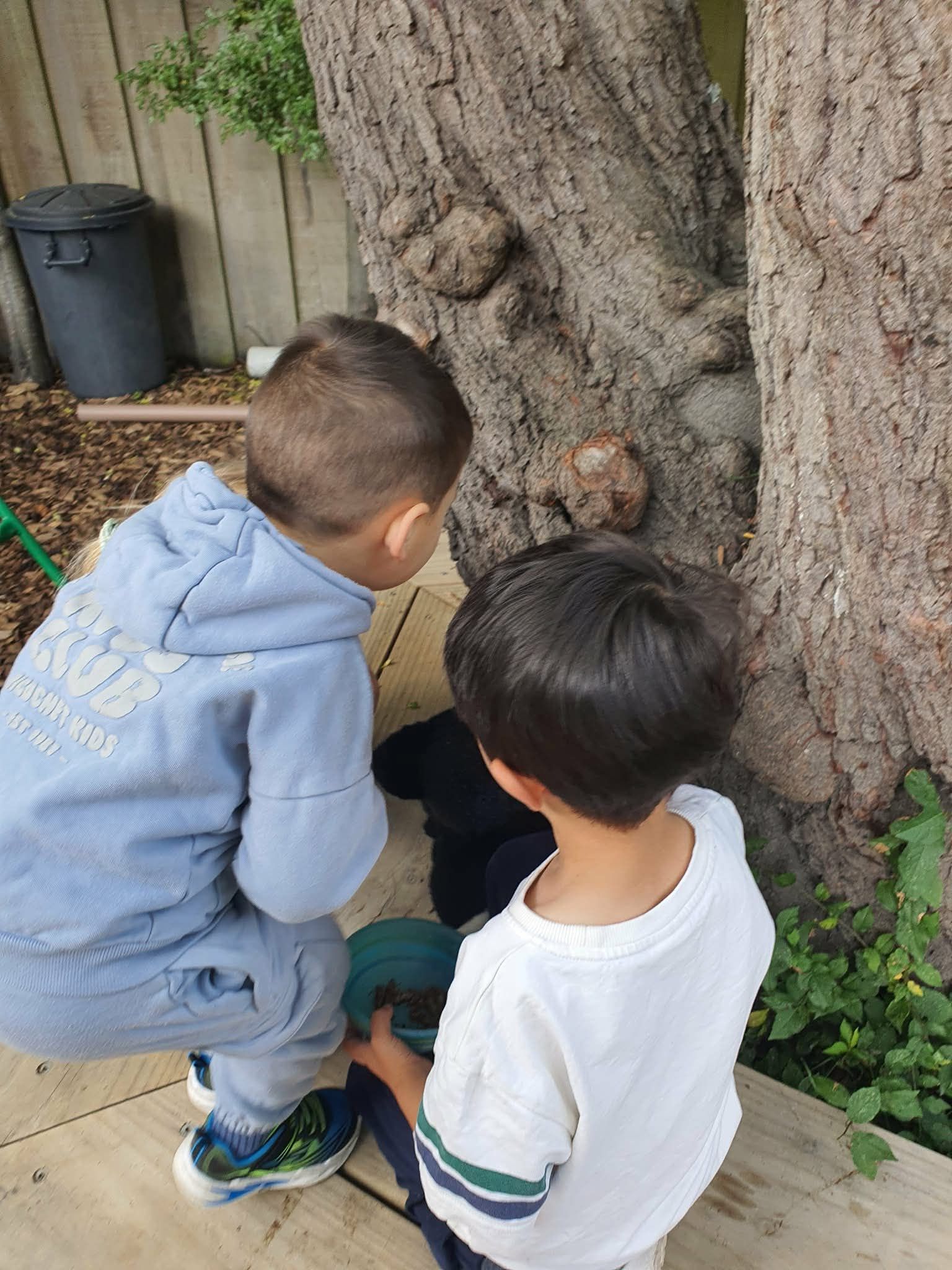
This learning began with curiosity from one of the tamariki, after discovering a cicada shell on a tree. From there, the children’s interest grew and guided our exploration.
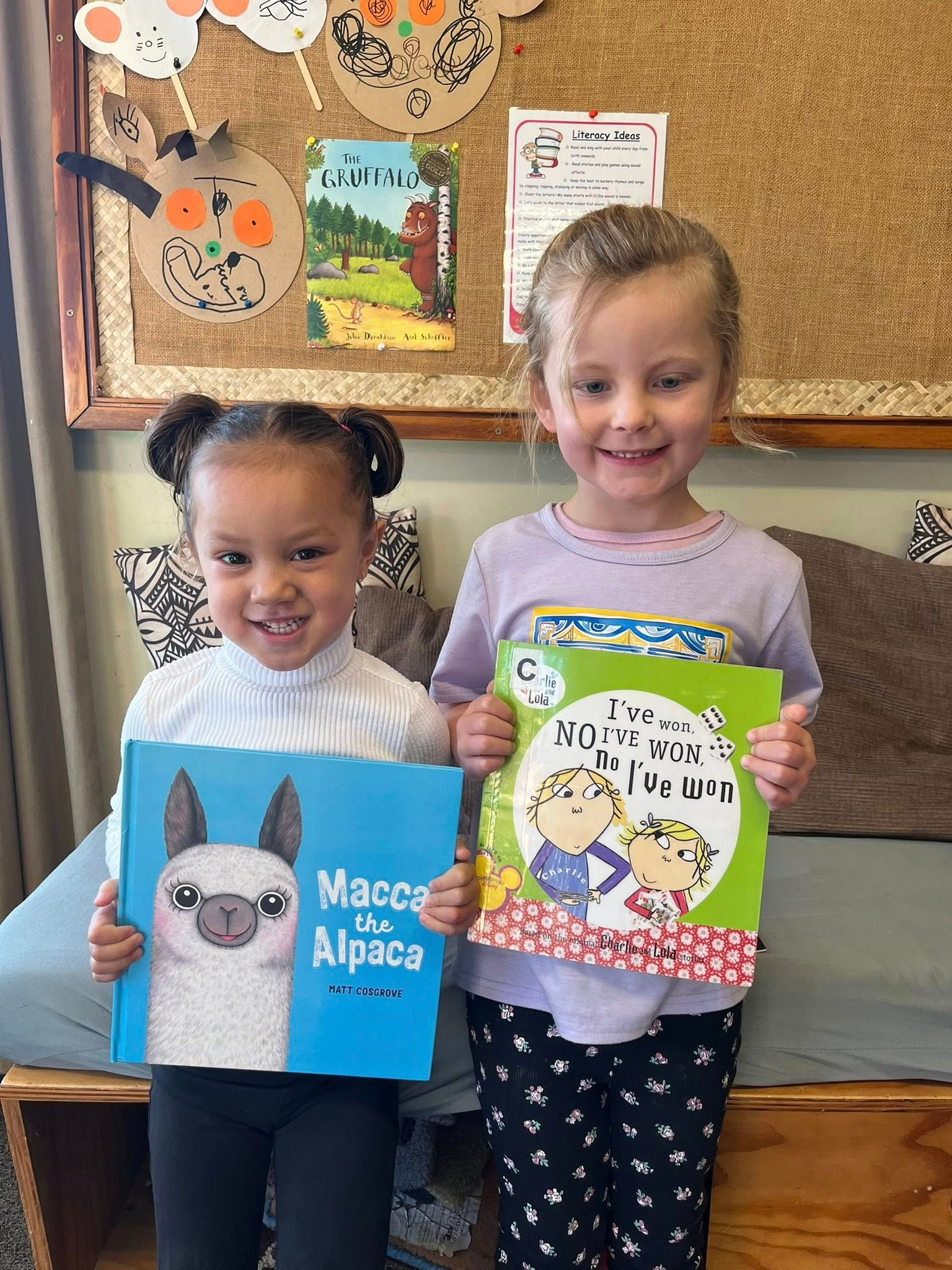
We explored books together and found one about backyard bugs, helping us build background knowledge. We also looked online and discovered a wonderful page from Te Papa where we could listen to different cicada calls. The children listened carefully and tried to work out which cicada we could hear in our garden, imitating the sounds by clapping or clicking at just the right moments.
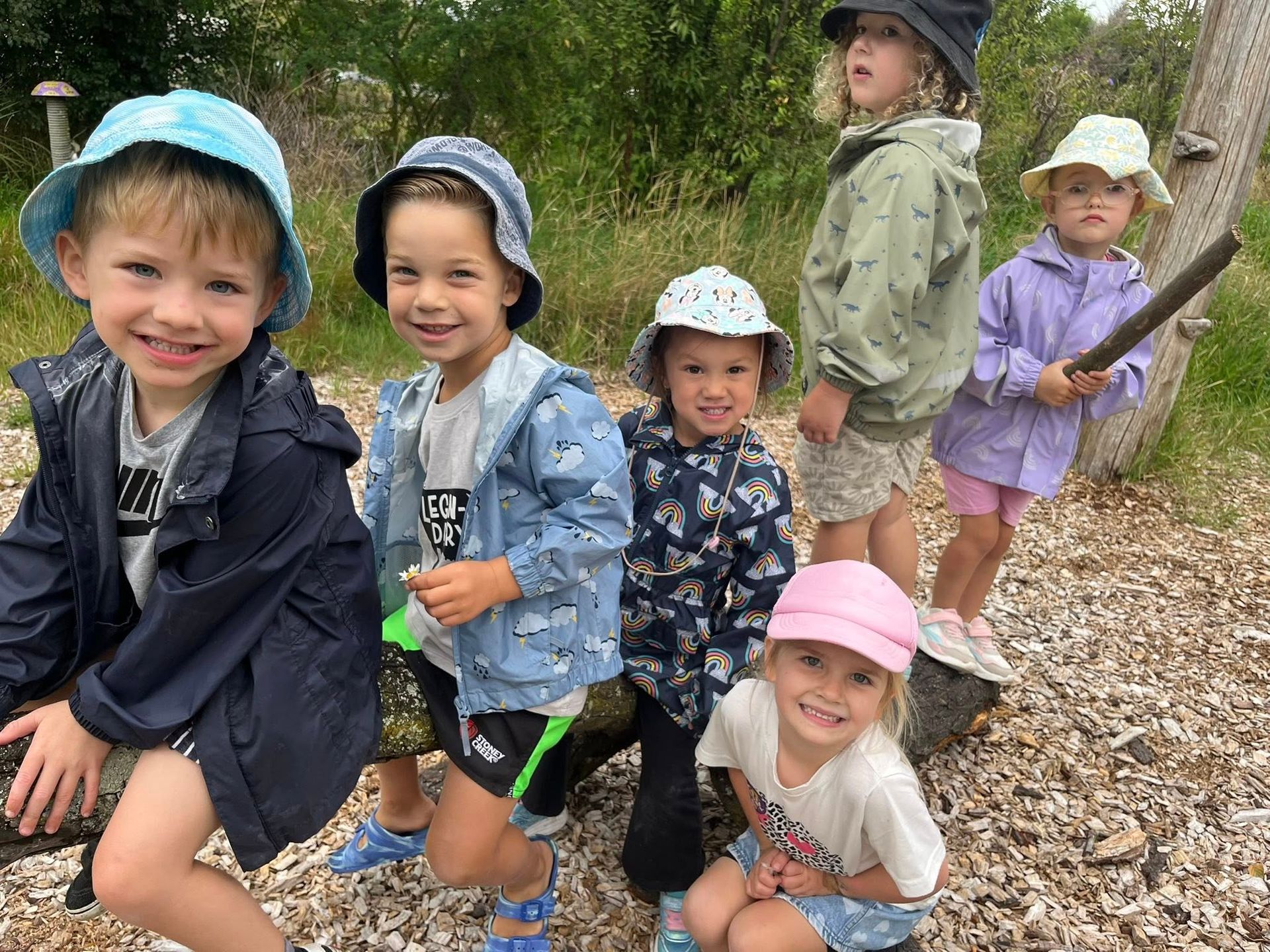
Outside, we went hunting for more shells and noted where we found them so we could return over the following days. Our climbing tree seems to be the best place so far.
Inside, we set up a bug table with the cicada life cycle displayed on the wall. Some of the children created a mat that looked just like the forest floor beneath our tree. After learning that cicadas live underground for most of their lives, sometimes for 2–3 years, feeding on tree roots, this same painting became part of our ongoing activity. The children used it to place cicadas at different stages of their life cycle, deciding whether they belonged underground among the roots or above ground on the tree stump, depending on how far along their journey they were.
We watched a short video by David Attenborough showing the full life cycle and hearing the cicadas sing. This became a fun way to test our knowledge as we pretended to be on the journey ourselves.
We also learned the te reo Māori word for cicada, kihikihi, which is displayed alongside the beautiful life cycle on our wall. Whānau are very welcome to stop and have a look. You might also notice your child suddenly becoming a cicada expert at home, listening closely or pointing them out in the garden. If you do spot anything together, we would love to hear about it.
Through this inquiry, the children are developing working theories about the natural world. They are learning to observe closely, ask questions, test ideas, and make connections between what they see, hear, and create. This kind of learning builds language, collaboration, and scientific thinking in a meaningful, hands-on way, led by the children’s own curiosity.
This learning also connects us deeply to the place we live. For some of us, the sound of cicadas is new, and exploring it together has helped us slow down and really listen. The children are learning that the sounds of nature are part of what makes this place special, and for many of us, cicadas have come to symbolise summer here in New Zealand.
Cicadas remind us how fleeting some moments in nature are. After spending so many years underground, it feels worth slowing down to celebrate the brief time they emerge, shed their shells, and fill the air with song before the cycle begins again.
The investigation continues…